November 13, 2026
Every homeowner eventually faces a critical crossroads regarding their home's primary defensive barrier: should you patch an emerging problem, or is it time to invest in a complete tear-off and replacement? Because overhead systems remain largely out of sight during daily routines, understanding their actual structural condition requires more than just glancing upward from the driveway. A few missing shingles after a windy afternoon might appear simple to remedy, yet underlying moisture or widespread material decay could tell an entirely different story.
Navigating this decision successfully protects both your family's safety and your property's long-term market value. Choosing an isolated patch when structural decking is compromised merely postpones an inevitable and more catastrophic failure. Conversely, prematurely replacing an entire system that only requires targeted flashing maintenance drains household capital unnecessarily. Consulting qualified professionals for comprehensive roofing services allows property owners to evaluate material degradation accurately, balance immediate costs against lifecycle expectations, and make sound home improvement investments.
Understanding Chronological Age Versus Effective Age
The calendar year your roof was installed represents its chronological age, but its effective age dictates how much functional life remains. Two identical homes with identical asphalt shingles installed on the very same day can age at dramatically different rates depending on environmental exposure, installation craftsmanship, and attic ventilation.
A roof constantly exposed to intense ultraviolet rays on an unshaded southern slope degrades far faster than one sheltered from direct sunlight. Similarly, poor attic ventilation bakes shingles from the underside, accelerating volatile oil loss and causing premature embrittlement. When evaluating your home's exterior envelope, certified roofing services inspect beyond the surface granules to determine whether thermal cycling, microclimates, and moisture retention have aged the assembly past its chronological years.
Identifying Clear Candidates for Localized Repair
Not every leak or damaged component signals the end of your roof’s useful service life. When damage is isolated to a specific zone and the surrounding materials remain supple and securely adhered, repairs offer an economical, effective solution.
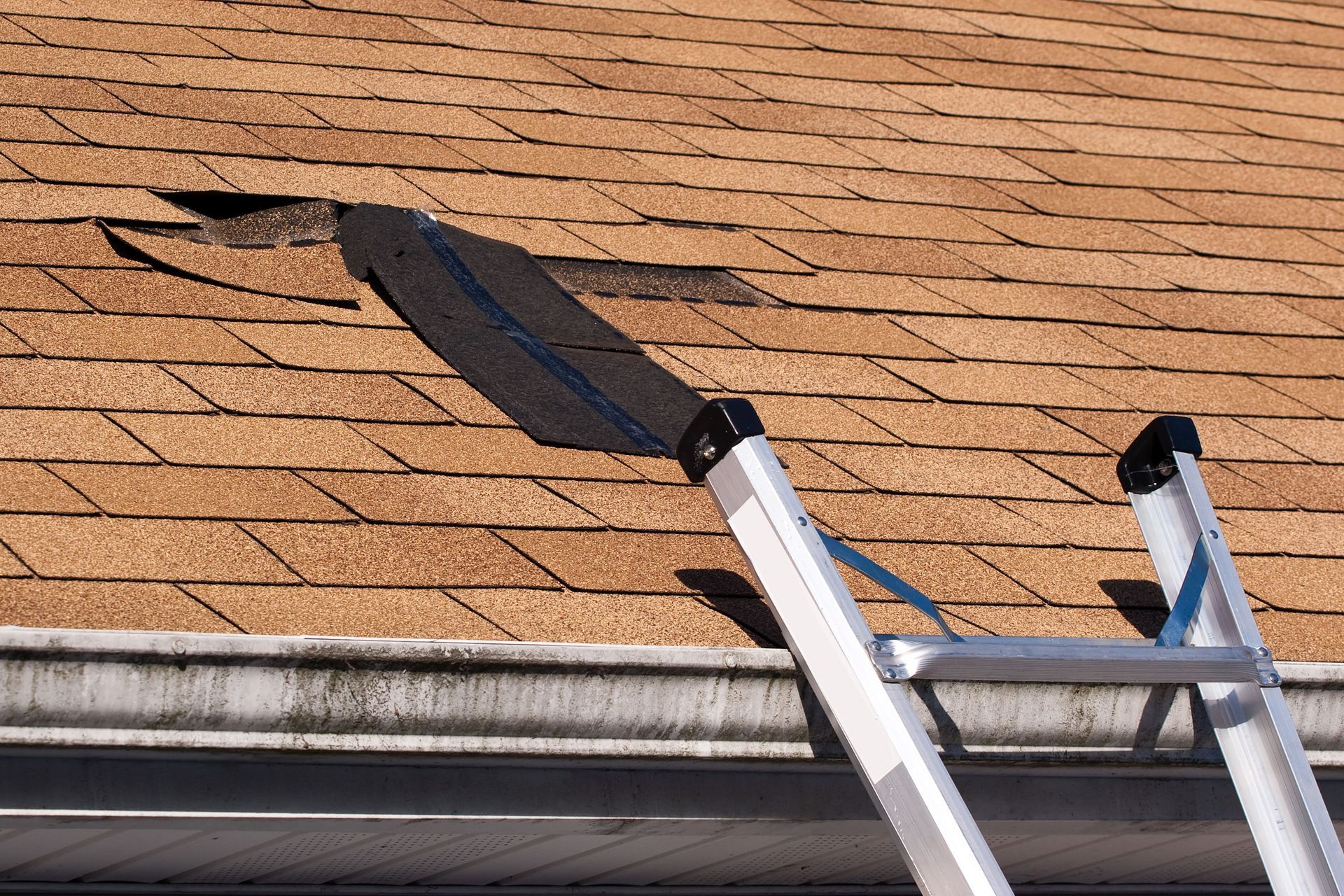
- Isolated Storm Damage: If localized wind gusts lift or tear away a handful of shingles on a single slope while the rest of the field remains intact, installing matching replacement shingles restores weather resistance without requiring a full tear-off.
- Flashing and Sealant Deterioration: The vast majority of interior leaks originate around penetrations rather than through the shingles themselves. Plumbing vent boots, chimney counter-flashing, and valley metal often expand and contract at rates different from surrounding decking, cracking sealants over time. Reseating metal flashing and applying commercial-grade sealants stops water intrusion reliably.
- Minor Punctures or Impact: Tree branches falling during summer storms can puncture an isolated section of decking or split a shingle. Specialized roofing services can strip back the damaged perimeter, replace the compromised plywood deck, apply fresh underlayment, and weave new shingles into the existing pattern seamlessly.
When considering repairs, keep the age of the overall system in mind. If an architectural shingle system is only in the early portion of its expected service lifespan, prompt repairs protect your investment and preserve the balance of its warranty.
Warning Signs That Demand Complete Replacement
When material degradation spreads across multiple slopes, spot repairs become temporary band-aids that waste financial resources. Recognizing the systemic warning signs of total failure prevents catastrophic interior water damage.
Excessive granule accumulation in your gutters indicates that the asphalt coating is eroding, leaving the delicate fiberglass mat exposed to direct solar degradation. Once shingles begin cupping along the edges or clawing upward in the center, they lose their ability to shed wind-driven rain and become extremely brittle. Walking on brittle shingles to make a patch inevitably shatters neighboring units, causing more harm than good.
Furthermore, widespread soft spots or visible sagging along roof planes signal rot within the rafters or plywood sheathing. Under these conditions, investing in full-scale roofing services is essential to restore structural integrity from the deck up.
Evaluating the Financial Equation and Whole-Home ROI
Financial considerations naturally guide exterior remodeling decisions. While spot repairs carry an attractive upfront price tag, their cumulative expense can quickly surpass the cost of a planned replacement if repeated visits become necessary each winter.
A reliable guideline used throughout the remodeling industry evaluates whether the estimated repair cost multiplied by the age of the roof exceeds the complete replacement value. If ongoing patching costs clearly outweigh the remaining service life, replacement represents the more financially sound choice.
Exterior projects also deliver measurable returns when viewed through a holistic home-performance lens. Upgrading your building envelope—whether through reflective roofing membranes, airtight underlayments, or updated siding—yields substantial dividends across comfort, curb appeal, and resale value. According to HomeGuide, although replacing siding involves a higher upfront cost than repairs, the project enhances curb appeal, lowers utility expenses, increases home durability, and offers a 60% to 80% return on investment. The same financial logic applies to your roof: a complete replacement lowers annual heating and cooling expenses through enhanced thermal protection while eliminating the recurring stress of emergency repair bills.
Assessing Exterior Compatibility and Code Compliance
Modern residential building codes enforce strict guidelines regarding roof replacements, particularly concerning existing layers, wind ratings, and ice-barrier underlayments. In many jurisdictions, building codes prohibit installing additional shingle layers over existing materials due to weight restrictions on structural trusses. If your home already features multiple layers of roofing, any future failure necessitates a full tear-off regardless of how localized the damage might appear.
Partnering with established roofing services ensures your project adheres to municipal regulations and regional safety mandates. During a full tear-off, technicians inspect the exposed wooden deck for localized rot, re-nail loose panels to meet current high-wind fastening schedules, and install self-adhering ice-and-water membranes along vulnerable eaves and valleys. These critical code upgrades remain impossible to implement through simple surface-level repairs.
Choosing the Right Path Forward for Your Property
Determining whether to repair or replace ultimately requires balancing the physical age of the materials, the total square footage affected, and your long-term ownership goals. If you plan to sell your property in the near future, an aging, patchy roof will inevitably raise red flags during the buyer's home inspection, often resulting in steep price concessions or stalled escrows. Installing a modern, transferable architectural shingle or standing-seam metal system immediately elevates buyer confidence and protects your asking price.
Conversely, if an untimely branch puncture impacts a relatively new roof, a prompt, precision repair executed by certified roofing services preserves your budget while maintaining the aesthetic continuity of the roofline. Taking time to schedule seasonal inspections ensures you catch minor issues early, track the natural aging trajectory of your shingles, and plan capital improvements on your own timeline rather than reacting in panic to an unexpected ceiling collapse.
Determining whether to repair or replace your roof comes down to an honest evaluation of its true effective age, structural integrity, and overall financial return. While localized patching provides a practical, cost-effective remedy for minor storm damage and aging pipe collars on younger systems, widespread granule erosion, cupping shingles, and softened decking indicate that a complete replacement is the only responsible course of action. Investing in high-performance building envelope upgrades protects your interior living spaces, enhances exterior efficiency, and delivers dependable equity gains over time. Relying on professional roofing services provides the technical clarity and skilled craftsmanship needed to ensure your home remains safe, efficient, and beautifully protected against every season. Contact Tayman Roofing & Siding, Inc. today to schedule your comprehensive roof evaluation and ensure your home stays protected year-round.